


Seating in public spaces plays a vital role in how people experience and interact with shared environments. Whether it’s a quiet park bench, a busy streetscape installation, or seating in school grounds, choosing seating for parks, schools, streetscapes & reserves can directly affect how public spaces are used. These spaces need to meet aesthetic, durability, and accessibility requirements so that people actually want to spend time there. Read more about how to choose seating for public spaces like parks, schools, streetscapes, and reserves.
What Is Public Space Seating?
Designed specifically for outdoor, shared environments, public space seating refers to street furniture such as benches, seats, and picnic settings that add spaces for people to relax and socialise. Public seating is commonly used in parks, nature reserves, and other recreational areas, educational campuses, streetscapes, sporting grounds, and more.
Why Choosing the Right Seating Matters in Public Spaces
Choosing the correct seating matters because it directly impacts usability, functionality and overall appeal of a public space. Here are all the ways the right seating can make a difference:
Comfort
Comfortable seating encourages people to use public spaces more frequently and for longer periods. Ergonomic design, appropriate back support, and thoughtful placement all contribute to a positive experience and longer stay times.
Safety
Seating can influence how safe a space feels. Well-placed seating promotes natural surveillance (often referred to as “eyes on the street”). More people are watching for unusual behaviour, which can improve safety.
Accessibility
Access to public spaces is a basic right, not a privilege. Outdoor seating, when accessible to people of all ages and abilities, makes spaces more inclusive for everyone. Making street and park furniture accessible in accordance with Australian Standards means providing seat heights, armrests for support, and clear space for mobility aids, as specified by the Disability Discrimination Act (DDA) and AS 1428.1.
User Behaviour
The type and layout of seating can guide how people use a space. For example, group seating encourages social interaction, individual benches in a park support quiet relaxation, and seating in busy streetscapes gives people a space to sit and rest.
Key Factors When Choosing Seating for Parks, Schools, Streetscapes & Reserves
Durability and Materials for Outdoor Seating
Unlike indoor furniture, outdoor seating must withstand constant exposure to heavy use and the elements, like UV exposure, rain, moisture, and more. Durability becomes an important factor when selecting materials and finishes for outdoor furniture. Material choice for public seating should align with the environment and expected usage levels. For example, coastal areas require corrosion and moisture-resistant materials like stainless steel or aluminium. Durable outdoor seating maintains its structural integrity over the years and remains functional with basic maintenance. On the other hand, furniture made from low-quality materials can rust or warp, making it unusable.
Common materials used in street furniture include:
- Timber for a natural, warm aesthetic
- Aluminium for lightweight, corrosion-resistant solutions
- Stainless steel for strength and durability
Maintenance Requirements for Public Seating
General outdoor furniture maintenance varies by material, but includes regular cleaning (like wiping benches down and removing any graffiti or vandalism) and structural maintenance (such as lubrication of moving parts, hardware replacement, and termite inspection). The material and finish you select decide how much maintenance is required.
Low-maintenance seating reduces long-term costs and ensures spaces remain attractive. Powder-coated metals, high grade timber, and vandal-resistant finishes can significantly reduce upkeep time and costs.
Accessibility Requirements for Public Seating in Australia
Approximately 21% of Australia’s population lives with a disability, and 16% of Australia’s total population is aged 65 or over. These statistics clearly highlight the need for accessibility in public spaces.
Inclusive outdoor seating complies with Australian accessibility standards. This includes:
- Adequate spacing for wheelchair access
- Armrests and backrests for support
- Clear pathways around seating areas
- A mix of seating options
This ensures that seating is more accessible to wheelchair users, people with mobility aids and scooters, the elderly, and parents with prams.
Vandal Resistance and Heavy Use
Public seating is heavily used on a day-to-day basis. It must be designed to handle frequent use and potential vandalism or graffiti. Robust construction, tamper-proof fixings, and durable finishes are essential for longevity.
Weather Resistance for Australian Conditions
Australia’s climate can be harsh, with strong UV exposure, rain, moisture, temperature fluctuations, and salty air. Materials and finishes should be selected to match their environment. This ensures they remain sturdy and usable in harsh environmental conditions. A successful furniture piece would resist fading, corrosion, and wear over time.
Long-Term Cost
Initial cost is only part of the equation. When comparing public seating options, one must also consider lifecycle costs, including maintenance, repairs, and replacement. This will give you a clear picture of how much the piece of furniture will cost you.
Design
Match furniture that aligns with your council or school branding and colours, to create a unique identity for your space. Custom designs create a unique and attractive landscape design, along with meeting functional requirements.
Where Different Types of Public Seating Are Used

Seating for Parks
Parks benefit from comfortable, inviting seating that encourages relaxation and social interaction. Standard park bench seats with backrests, armrests, and accessible options are suitable for individuals of all ages and abilities. If the park has barbecue spots, then table settings with shade will also be required. Timber benches are a common choice for parks as they are durable and match the warm aesthetic of natural spaces. Stainless steel and aluminium benches are common in parks around coastal areas, which are exposed to salty air.

Seating for Schools and Educational Campuses
Educational environments require durable, low-maintenance seating that supports both individual study and group collaboration. Draffin products are available in modular designs, allowing you to create a layout that meets your students’ needs. Social seating options, such as picnic settings, encourage interaction. Platform benches are also popular for informal gathering and flexible use. Materials like aluminium, timber, and galvanised steel are ideal due to their strength, longevity, and ability to withstand frequent daily use.
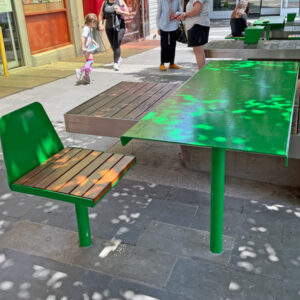
Seating for Streetscapes and Urban Areas
Urban seating should strike a balance between visual appeal and long-term durability. Designs need to complement the surrounding architecture while handling high pedestrian traffic and weather exposure. Options such as tree seating and park seats — with or without backrests and armrests — offer flexibility for different users and urban settings. Materials like steel, aluminium, and timber are commonly used to ensure both resilience and a cohesive streetscape aesthetic.

Seating for Reserves and Natural Areas
Seating in park reserves and natural areas should blend seamlessly with the environment while providing comfort and functionality. Freestanding benches and park seats with backrests and armrests provide accessible resting points, and picnic settings support longer stays and group use. Designs should remain subtle to preserve the natural character of the space. Timber is often preferred for its natural appearance, while aluminium can be incorporated to reduce maintenance.
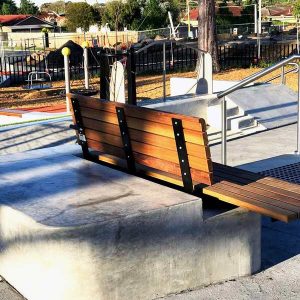
Seating for Sporting Fields and Spectator Areas
Sports fields and spectator areas require strong, practical seating solutions that can accommodate large crowds. Tiered seating and benches are commonly used to maximise capacity and ensure everyone in the audience has a clear view. Materials such as aluminium and galvanised steel with powder coating are ideal, offering high durability, weather resistance, and low maintenance in high-use environments.
Common Mistakes When Choosing Seating for Public Spaces
- Choosing Indoor Furniture for Outdoor Use: One of the most frequent errors is installing furniture designed for indoor environments in outdoor settings. Indoor seating typically cannot stand moisture, UV exposure, or temperature fluctuations. This not only shortens the lifespan of the furniture but also increases replacement costs and safety risks.
- Ignoring Accessibility Requirements: Public outdoor seating must accommodate people of all abilities, such as elderly individuals, people with wheelchairs, scooters, and mobility aids, and families with prams.
- Selecting Unsuitable Materials for the Environment: Different environments demand different material choices. Using the wrong materials can lead to rapid wear, ultimately increasing maintenance and replacement costs.
- Failing to Provide Shade or Shelter: Without shade structures or shelters, users may avoid the area during hot or wet weather. Incorporating natural or built shade not only improves comfort but also extends the usability of the space throughout the year.
- Not Planning for Ongoing Maintenance: Where applicable, maintenance routines should be considered in space planning to ensure lifecycle costs are accounted for. Planning for maintenance includes thinking about factors such as choosing low-maintenance materials and ensuring easy access for repairs. It helps keep your budget in check and preserve both functionality and visual appeal.
Source the Right Public Seating for Your Space with Draffin
Choosing the right seating for parks, schools, streetscapes, and reserves is critical to creating public spaces that are usable and successful. By considering factors such as durability, accessibility, comfort, and long-term cost, you can ensure your seating solutions meet both current and future needs.
Are you fitting out a new space or looking to upgrade your current public space seating? Draffin Street Furniture is a trusted street furniture supplier, with over 65 years of experience serving government, commercial and educational sectors in Australia. After working closely with architects and urban designers, we’ve created a range of high-quality, durable seating solutions designed specifically for Australian conditions. Get in touch with our team today to find the right fit for your next project.